
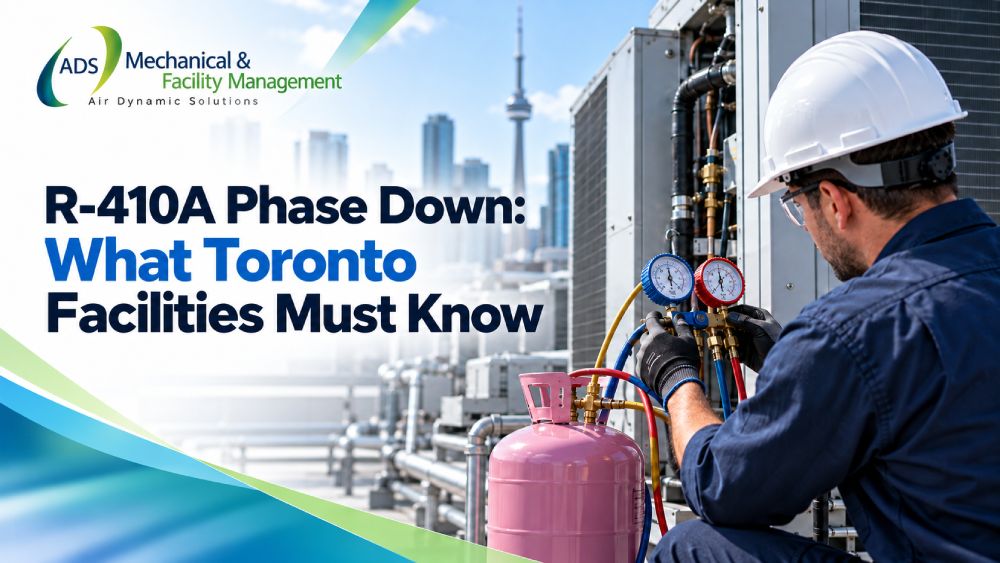
A silent crunch is altering future operating costs for corporate air conditioning and heat pump systems across the Greater Toronto Area. While multi-residential and commercial property boards focus on energy efficiency retrofits and carbon taxes, a critical regulatory shift is happening directly inside their mechanical rooms. Federal environmental targets are actively squeezing the supply chains that support legacy HVAC infrastructure. This structural shift operates under the radar of most building planners. Ultimately, an unexamined property portfolio faces sudden cost spikes and prolonged operational downtime.
Market friction surrounding this transition stems from an oversimplified misunderstanding of environmental policy. Many building owners remain paralyzed by the misconception that an absolute “refrigerant ban” will suddenly render their existing mechanical assets illegal overnight. In reality, the regulatory mechanism is an intentionally escalating economic tightening designed to restrict virgin chemical supplies and force early infrastructure planning. Proactive property boards already audit their commercial cooling loops to navigate this crunch safely. These teams transition to modern, certified HVAC‑R Systems to eliminate future operational bottlenecks.
Is R-410A Being Phased Out in Canada?
The Kigali Amendment Trajectory
Canada’s environmental strategy is bound by international treaty obligations under the Kigali Amendment to the Montreal Protocol. This agreement mandates a structured step-down framework targeting a major absolute cut in HFC consumption. The regulatory mechanism does not target specific chemical compounds by name. Instead, it enforces a diminishing cap on the total bulk chemical volume that can legally be imported or manufactured nationwide. Because legacy refrigerant carries an exceptionally high environmental impact rating, its production volume eats up a disproportionate share of the country’s dwindling environmental allocation.
The Current Milestone
The commercial real estate market is currently feeling the restricted supply realities of the mandatory reductions from Canada’s historical consumption baseline. ECCC enforces this step-down via strict corporate quota allocations. These limits heavily restrict the volume of virgin gas bulk supply chains can legally distribute across Ontario. This ceiling will remain locked until the next severe regulatory cliff arrives, which will slash available supply limits down further.
What Remains Unbanned
It remains entirely legal to operate, maintain, and service existing commercial equipment across Toronto under ODSHAR. No federal or provincial mandate forces the premature decommissioning or replacement of fully functional mechanical setups. The virgin gas required to patch system leaks will become increasingly expensive, even though your existing hardware is permitted to run. This reality makes early Refrigerant Leak Detection critical to preserving your existing chemical volume before local prices spike further.
What Are the New Air Conditioning Laws in Ontario?
Can You Still Install Older Systems?
It remains legally permissible to install older equipment across Ontario, provided the machinery was manufactured or imported prior to production cutoffs and exists within current wholesale warehouse inventories. However, you introduce substantial long-term asset risk if you specify legacy hardware for new commercial builds or planned capital replacements. Legacy factory stock will deplete over the coming months. Consequently, building operators who choose older models will find themselves tied to an outdated chemical ecosystem with a shrinking support runway.
Ontario Building Code Adjustments
Provincial installation guidelines changed significantly when Ontario’s TSSA officially adopted the updated mechanical refrigeration safety codes. This regulatory update alters the OBC to provide clear legal frameworks for handling newer, low-impact refrigerant classes. Crucially, the latest amendments introduce an exemption from design registration for certified mid-sized cooling systems. This change lowers administrative barriers and eliminates standard paperwork hurdles for property owners.
The Impact of Cross-Border Supply Chains
The commercial availability of hardware in Toronto is directly dictated by American manufacturing restrictions enacted under recent environmental acts. Major manufacturers operate integrated, cross-border North American production lines. For this reason, the manufacturing ban on older commercial systems across the border effectively eliminates the production pipeline for Canada. Toronto buyers must adapt to these manufacturing shifts because new green designs rapidly replace legacy units on factory floors.
What Is Replacing Older Refrigerants?
The Modern Transition in Canada
The commercial cooling industry has moved toward updated, eco-friendly chemical alternatives. This new class consists of non-toxic, mildly safety-rated gases designed to deliver high thermal efficiency with low environmental impact. Top manufacturing brands have split their product lines between two primary chemical alternatives, namely R-454B and R-32. Both options significantly beat the environmental footprint of older gases, ensuring long-term compliance with federal climate targets.
Incompatibility Hurdles
It is physically and chemically impossible to drop a modern chemical alternative straight into an older chiller, rooftop unit, or VRF system built for older gases. Legacy systems lack the advanced electronic safety sensors, spark-proof internal electrical components, and specialized ventilation configurations required by modern safety standards. Any attempt to cross-contaminate systems will compromise equipment safety, void manufacturer warranties, and violate TSSA operating rules.
The Cost Profile Shift
Building operators must prepare for an initial pricing premium on new commercial installations compared to legacy equipment costs. Specialized equipment engineering, active leak-detection monitoring sensors, automated shutoff valves, and mandatory air dispersal equipment drive this budget increase. Additionally, labor costs reflect specialized technician training and updated tool configurations required to handle newer gases safely.
How Long Will Older Gases Be Available?
Predicting Service Parts and Gas Availability
Wholesale market access for older component parts and virgin gas will face significant bottlenecks as manufacturers shift their factory lines toward green technologies. Simple maintenance components like compressors, expansion valves, and coils wound specifically for legacy pressure profiles will see longer lead times and higher costs over the next few years. Facility teams must anticipate longer wait times for emergency repairs during peak summer cooling seasons.
The Reclaimed Refrigerant Lifeline
The survival of older commercial cooling setups will rely almost entirely on reclaimed and recycled gas stocks as virgin chemical production drops. Long-term service agreements will increasingly require certified, recovered refrigerant supplies to patch up leaky systems. This secondary market is highly vulnerable to local supply drops. This vulnerability means your ongoing maintenance costs will fluctuate based on the availability of recycled gas in Ontario.
Calculating the CapEx Inflection Point
The financial balance between patching an old system and funding an outright equipment replacement is shifting rapidly. Facility managers can no longer view a refrigerant leak as a routine service expense. A major gas loss on a large commercial system can easily cost thousands in hard-to-find gas fees alone. Property managers must weigh these rising emergency costs against a planned CapEx system replacement to avoid unexpected mid-summer failures. You can map out your infrastructure runway and transition to high-efficiency Commercial Air Conditioners without sudden regulatory exposure if you address your equipment alignment now.
Final Analysis
Buildings face severe operational vulnerabilities from sudden chemical supply drops and deep repair delays during peak summer months if they continue to run older equipment. However, you face an intense capital expenditure burden if you replace large-scale mechanical assets prematurely. To resolve all uncertainty in Toronto, you can rely on a premier, certified partner like Air Dynamic Solutions. They have served leading commercial, industrial, and institutional brands across the GTA for decades. They bring licensed TSSA, ESA, and Red Seal credentials together under one roof to protect your property operating budgets. Businesses can get real trade-in value from their older cooling setups and offset the transition costs of installing modern green systems because ADS offers a unique equipment buyback program instead of letting legacy hardware become a financial liability.
FAQs
What is the cost rule for system replacement?
This traditional maintenance benchmark states that if the age of a cooling unit multiplied by its estimated repair cost exceeds a standard budget threshold, you should replace the entire system instead of repairing it. You should adjust this threshold lower when you deal with legacy hardware because rising chemical scarcity costs will continually inflate future service bills.
Which option is safer for commercial buildings?
Older gas models are non-toxic and non-flammable under normal operating conditions, but they carry an extremely high environmental footprint. Newer alternatives introduce minor safety and flammability profiles that require modern monitoring setups, but they run at excellent operating pressures while significantly reducing the building’s carbon footprint.
Is it possible to convert a legacy air conditioner to newer gas?
No, you cannot drop newer refrigerants directly into a legacy setup because modern gases run at completely different operating pressures that would rupture old compressor lines and coils. A true upgrade requires full system structural changes, including the replacement of the compressor, evaporator coils, expansion devices, and line sets.
Can a building manager buy commercial refrigerant directly?
No, wholesale distributors are legally barred from selling any bulk chemical gases directly to building owners or property managers. Canadian environmental protection laws are very strict, so you need an active ODP card and a valid trade technician license to purchase wholesale refrigerant cylinders.
Why is the cost of older refrigerant cylinders rising?
Bulk wholesale pricing for legacy refrigerant has climbed significantly, often doubling or tripling its historical cost over recent seasons. Tightening federal import quotas drive this upward price trend completely, and prices will continue to rise as baseline supplies step down further.